
Mystical Origins: The Cave Art of France
Embark on a timeless journey with our latest blog post, 'Mystical Origins: The Cave Art of France'
Faluns of Anjou Art
Dive into the abyss of history with "Mystical Origins: Cave Art in France", an immersion into the fascinating world of prehistoric frescoes and paintings. Discover how early artists shaped their visions of the world on rock faces, using natural pigments and rudimentary tools to bring to life captivating scenes of wildlife and daily life. These ancient works of art are not only testaments to technical dexterity, but also reflect the beliefs and spirits of societies long gone.
How have prehistoric frescoes and paintings in French caves survived the passage of time to reveal the secrets of our ancestors? As we seek to understand their significance, we are confronted with a fundamental question: is art simply an aesthetic expression, or does it hold a mystical key to ancient human consciousness? Join us as we explore pictorial techniques and themes that span the centuries, illuminating the rich history of French art and engaging a wide audience fascinated by the mysteries of our collective past.
Art as a Window on the Past
When we enter the dark recesses of France's decorated caves, we are confronted not only with humanity's most ancient art, but also with an enigma that touches the very essence of our existence. These prehistoric frescoes are much more than mere artistic relics; they are windows onto the past, allowing us to contemplate the first sparks of human consciousness and creativity. How can these works, set in stone for millennia, still reveal the secrets of societies that walked the Earth long before the first known civilizations? This is a crucial question, as it leads us to consider art not only as a form of aesthetic expression, but also as a tool for anthropological and historical understanding. By exploring cave art in France, we seek to decipher the codes of a bygone era, to understand the techniques and themes that animated our distant ancestors, and to perceive how, through the centuries, art has served as a catalyst for man's social and cultural evolution.
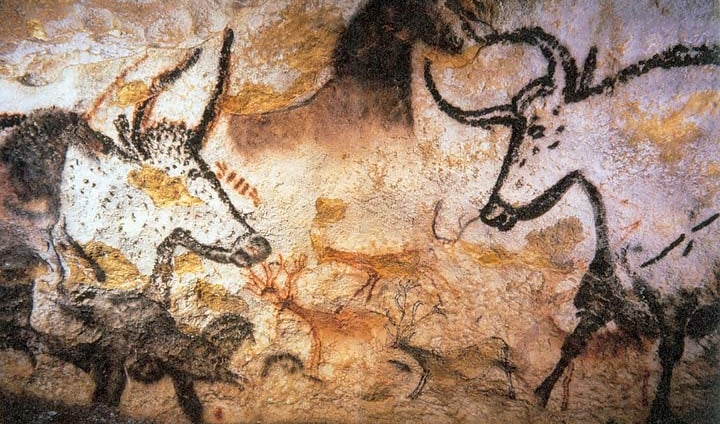
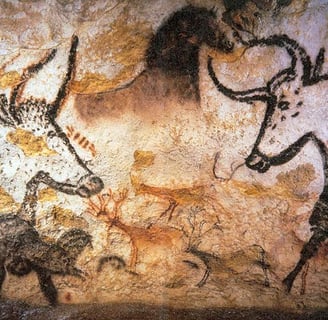
The rock painting in the Lascaux cave in Montignac, Dordogne, France, is an emblematic example of prehistoric art. It depicts a complex, dynamic array of animal figures, mainly horses, bulls, deer, and perhaps symbols or abstract motifs. The animals are depicted with meticulous attention to detail and outline, using natural shades of red, black, brown and white to create depth and movement. These images, more than 17,000 years old, testify to the remarkable ability of prehistoric artists to capture the essence and energy of the wildlife around them, and remain a powerful testament to the ingenuity and cultural richness of our Paleolithic ancestors.
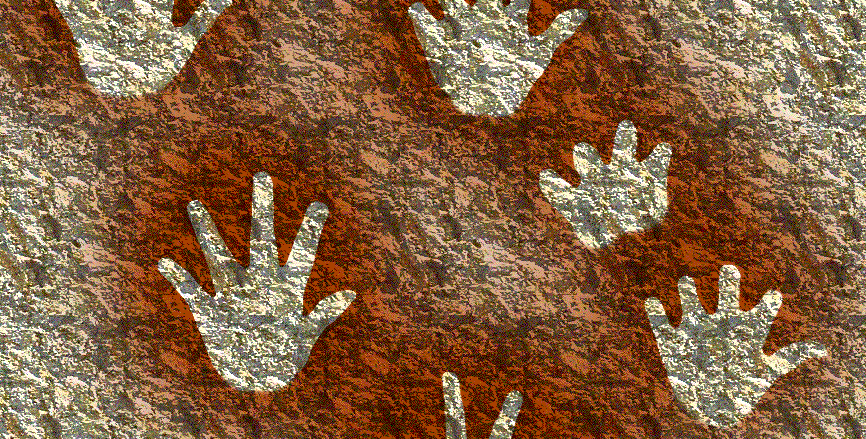
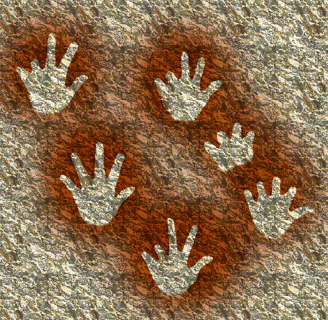
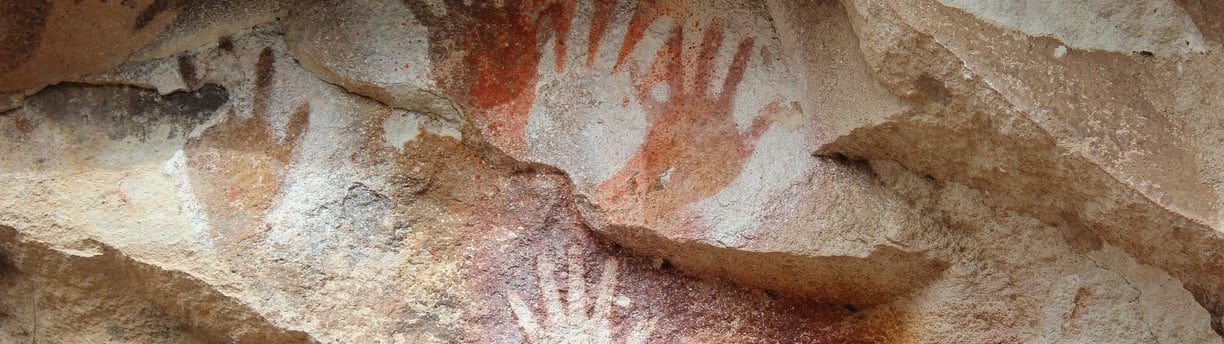
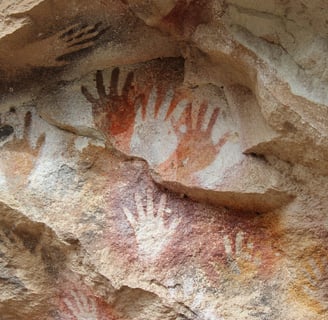
The image depicts negative handprints, a prehistoric technique in which the hand is placed against the rock face and the artist blows paint around it to leave a silhouette. These prints, characteristic of the Gargas cave, are notable for the missing phalanges, which have given rise to various interpretations, such as symbolic gestures or indications of illness or injury. The contrasting color of the hands against the background of the rock creates a striking effect and a direct connection with the people of this ancient period. These works form an essential part of the mysterious rock art complex at Gargas cave, in the Hautes-Pyrénées region of France.
Travel through the corridors of time with us on "Frescoes and Paintings". Discover the secrets of ancestral techniques and the pictorial themes that have marked every century. Sign up now for exclusive updates and immerse yourself in fascinating articles that shed light on the wonders of French art. Your journey through art history has just begun - subscribe and let each brush from the past paint a new story for you.
Negative hands with missing phalanges from Gargas cave (Pyrenees, France)
Cave paintings from Lascaux Cave (Montignac,Dordogne, France)
