
Spotlight on François I and the Clouets: Art and Power in the French Renaissance
Dive into the era where art meets royal grandeur, and discover how a dynasty of artists shaped the visual identity of the French Renaissance.
Faluns of Anjou Arts
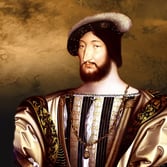
Image 1: Portrait of François I, King of France
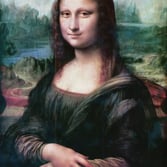
Image 2: The Mona Lisa or La Gioconda
Image 2bis: The Mona Lisa with its frame
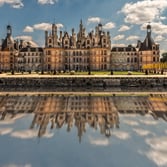
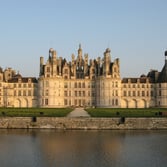
Image 3: Chambord castle
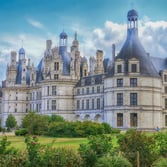
Image 4: Chambord castle
Image 5: View of the roof of Chambord
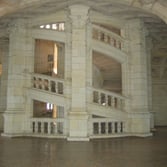
Image 5 bis: Chambord castle Double helix staircase
Image 6: Chambord castle
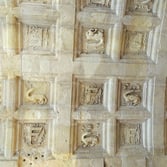
Image 7: The salamander, emblem of François I, and his monogram at the Chambord Castle.
Monogram: A combination of letters representing a person’s initials.
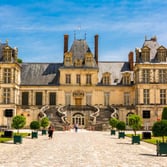
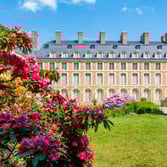
Image 8: Fontainebleau castle
Image 9: Fontainebleau castle
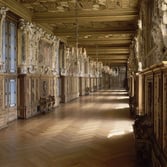
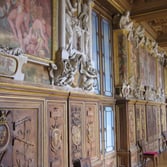
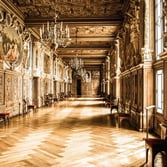
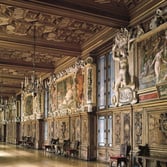
Image 10, 10 bis, 10 ter, 10 quater: The gallery of the Château de Fontainebleau is one of the most famous places of the Renaissance.
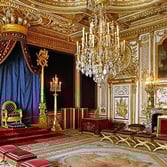
Image 11: The Sovereigns’ Grand Apartments
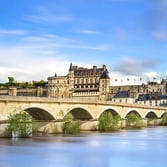
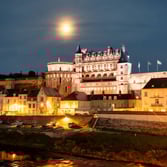
Image 12: Amboise Castle
Image 13: Amboise Castle
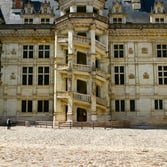
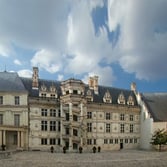
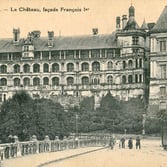
Image 14: Blois castle
Image 14 bis: Blois castle
Image 15: Blois castle
Image 16: Blois castle
Context:
François I, a prominent member of the Valois dynasty that ruled France since the 14th century, ascended the throne in 1515 and reigned until his death in 1547. Acknowledged as the pioneer of the French Renaissance, he laid the foundations for a centralized state where artists played a key role in glorifying his reign. Following his capture and imprisonment in Spain after a defeat in 1525, François I, once freed, aimed to rehabilitate his image. The portrait by Clouet played a crucial role in this endeavor, endowing the king with a remarkable stature and aura, symbols of his political renewal.
Dive into the heart of the French Renaissance with François I, a monarch whose reign was synonymous with a golden age for the arts and architecture. Discover how, under his influence, the châteaux of the Loire became architectural masterpieces and how Jean Clouet and his son established a family enterprise that captured the essence of power and elegance of the era. This journey through the history of French art reveals the interconnection between royal grandeur and artistic genius.
How did François I’s commitment to the arts and architecture shape the cultural identity of France, and in what ways does the work of Jean Clouet and his son reflect the values and vision of this period of rebirth?
I. The Dawn of the Renaissance: François I and the Flourishing of Arts and Châteaux.
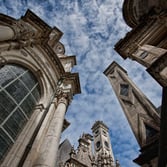
François I, emblem of the French Renaissance, distinguished himself by his fervent interest in the arts, introducing the cultural movement of the Renaissance, originating from Italy, to France. This movement, focused on the reappropriation of Greco-Roman antiquity’s knowledge, saw François I inviting illustrious Italian artists to his court, including Leonardo da Vinci, and ordering the reproduction of major antique works from the Vatican. An ambitious builder, he continued the work of his predecessors at the Château d’Amboise and the Château de Blois. He initiated the construction of Chambord in the Loire, a favored residence of the kings of France since the 15th century, and developed the Château de Fontainebleau near Paris, wishing to establish the seat of government there. Fontainebleau thus became a major artistic center, whose influence marked all of France and Europe, giving rise to what would be called the “School of Fontainebleau”. The reign of François I, by its grandeur, served as a reference for his successors, notably Louis XIV, and embodies a golden era of the French crown.

II. Jean Clouet and Son: Chroniclers of the Crown in the Service of Art.
Portraiture plays a crucial role in the evolution of Western art from its beginnings in antiquity to its apogee in Europe in the 16th century, notably through royal representation. From the 14th century, it manifested as autonomous paintings, especially with royal effigies. In this work, Jean Clouet immortalizes François I, monarch of France from 1515 to 1547. The king is depicted in bust, facing forward, slightly turned to the left, captivating the viewer with his gaze, a half-smile on his lips, one hand on his sword and the other holding a glove.
He wears the collar of the Order of Saint Michael, of which he is the founder. Adorned with a simple beret embellished with an ostrich feather and jewels, the royal crown, a symbol of his sovereignty, is subtly integrated into the background, mixed with red drapes. The king’s presence is highlighted by his attire that fills the frame, with attention to detail for luxurious textiles and golden ornamentation. Drawing inspiration from an earlier portrait of another monarch, the Portrait of François I stands out for its opulence and establishes the image of a king in all his splendor.
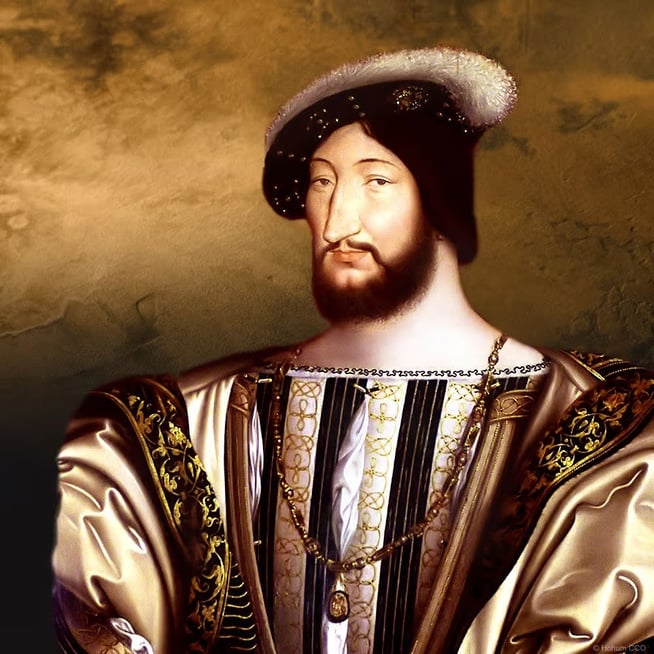
Portrait of François I, King of France
Jean Clouet and his son François established a true family workshop in service of the monarchy, particularly distinguishing themselves in the art of portraiture. Adopting a characteristic composition – bust against a colored background and face presented in three-quarter view – their style becomes iconic. Their innovative approach skillfully blends black chalk and red chalk in the preparatory sketches, giving the faces a realistic glow and a delicately rosy hue. These preliminary drawings, with their exemplary finish, quickly become coveted collectible items. François Clouet, inheriting his father’s talent, continues to immortalize the French elite of his era, offering future generations a precious account of the iconic figures of the 16th century, including the royal family.
François I’s influence on the French Renaissance was transformative, blending royal ambition and artistic innovation. The Loire castles and portraits made by the Clouets have become icons of that era, illustrating the unique mix of power, art, and culture. This legacy, shaped by masterful hands, continues to inspire admiration and study, testifying to the richness of French art history.
François I and the Clouets embody the spirit of the French Renaissance, a period where art and architecture reached unparalleled heights, enriching the French cultural heritage. Their legacy, anchored in majestic castles and timeless portraits, remains a living testament to the splendor of this era.
Join us in an in-depth exploration of the era of François I, where art and history meet. Discover the iconic castles and artworks that define the French Renaissance and share your passion for this golden age of beauty and innovation.
#FrançoisIRenaissance #LoireCastles #FrenchRenaissanceArt #JeanClouetArtist #FrenchCulturalHeritage #RenaissanceAndRoyalty #BeautyOfTheRenaissance
