
Unveiling Prehistoric Art: A Glimpse into Femininity and the Divine
Dive into the mysteries of artistic dawn: discover how early societies celebrated femininity and the divine through prehistoric artworks that continue to awe and inspire.
Faluns of Anjou Arts
In the heart of prehistory, emerging art reveals a profound fascination with the female figure, oscillating between the authentic representation of the individual and the idealization of the female form. This ancient art, through voluptuous sculptures and mysterious cave paintings, exhibits a captivating duality: on one hand, the desire to capture the very essence of the human being in its individuality, and on the other hand, the tendency to elevate the feminine into an almost divine form.
How does prehistoric art manage to navigate between the faithful representation of individuals and the idealization of the female form, and what is the significance of the centrality of the female image in the context of the divine at that time?
I. The Female Image at the Heart of the Divine
In the Gravettian era, primarily female representations carved in soft materials like ivory, inaccurately dubbed "Venus" by early archaeologists, are prevalent. These figures, found across Europe and as far as Russia, feature pronounced sexual characteristics with exaggerated breasts, bellies, and buttocks, while their faces remain remarkably anonymous and simplified, as seen in the statuette named "the lozenge." Previously, it was thought that the famous Lady of Brassempouy belonged to this category, but this theory is no longer as certain, though it is still attributed a religious and symbolic significance, celebrating womanhood and fertility.
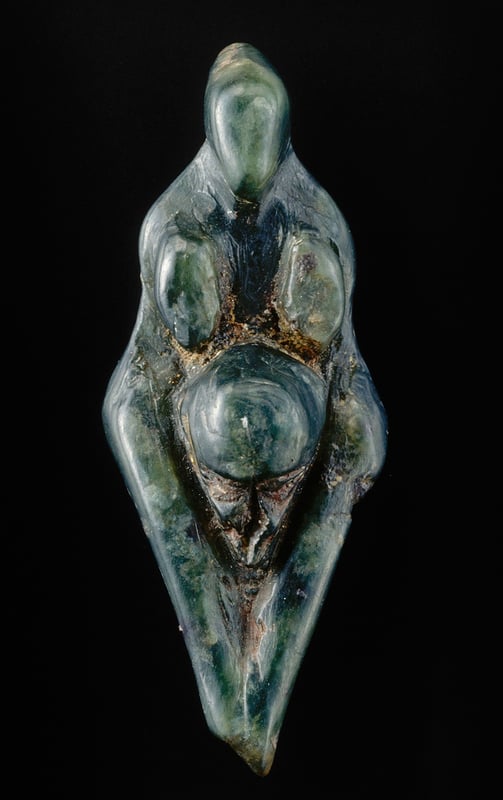
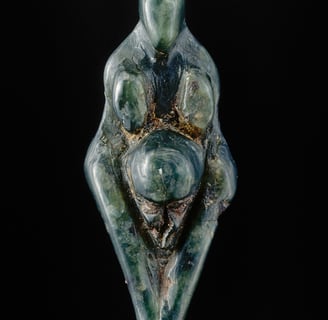
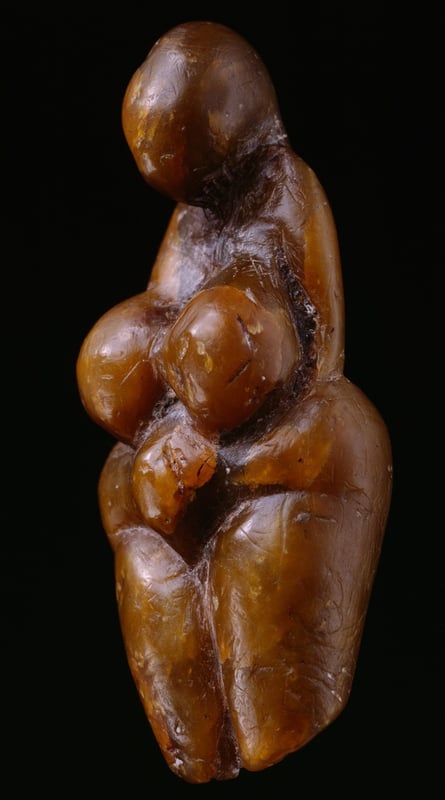
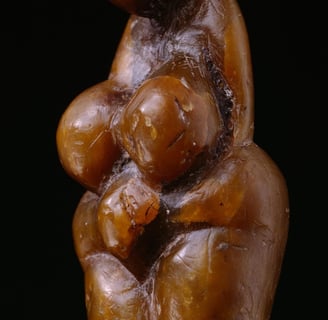
From the Gravettian period, female representations, sculpted: Venus
The Gravettian, a period of the Upper Paleolithic dated approximately 29,000 to 22,000 years before our era, is named after the site of La Gravette in Bayac, Dordogne. This era is characterized by the appearance of female figurines known as "Venus," which are distinctive elements of the portable art of this period.
The deliberate aesthetics of these Venuses is characterized by the exaggeration of traits associated with fertility, such as hips, breasts, and buttocks, while other aspects like arms or heads are simplified, indicating an artistic intention rather than a technical inability. Their exact function remains a mystery, though the prevailing theory links them to symbols of fertility, both human and earthly, albeit without concrete evidence to support this.
Primarily found at dwelling sites and sometimes near graves but rarely inside them, they appear to have been connected to everyday life and possibly to ritual practices, although the details of these rituals remain unknown. The one indisputable truth is that our Paleolithic ancestors possessed an ability for abstraction and symbolic values similar to ours, with only their techniques having evolved over time.
II. Faithful Representation of an Individual or Idealization of the Female Form
The Lady of Brassempouy, unlike the majority of prehistoric Venuses, stands out for her finely detailed face, a rarity in the Upper Paleolithic era. She features a slender neck and an expressive face with almond-shaped eyes, pronounced eyebrows, and a prominent chin, with the exception of the mouth, which is not represented. Her hairstyle, consisting of geometric striations, sparks curiosity, with some interpreting it as a hood, while others see it as a decorative net or even braided hair.
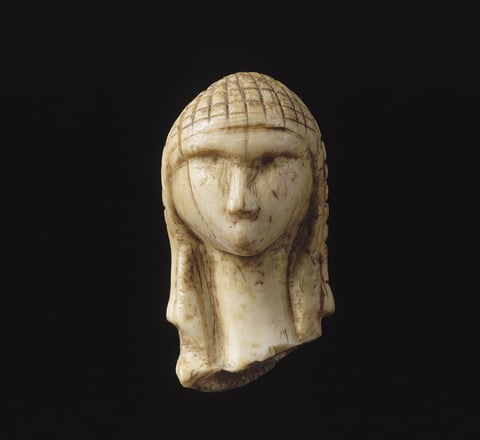
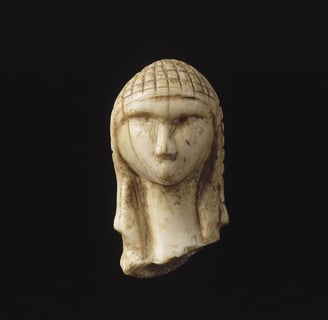
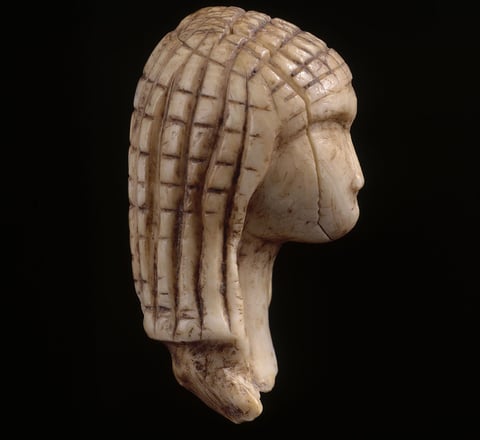
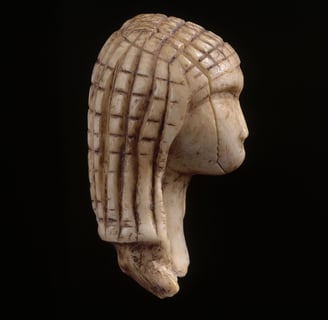
The Lady of Brassempouy
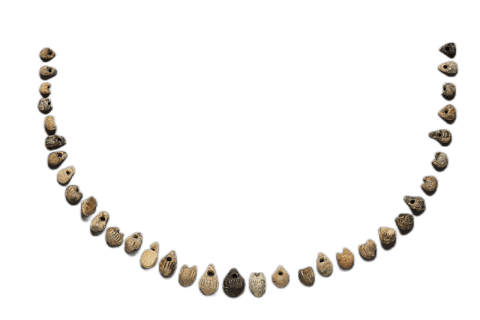
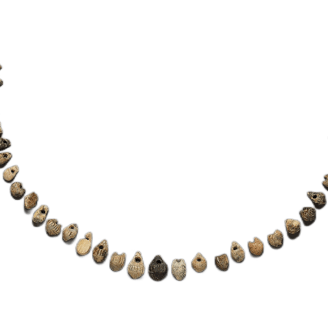
Ultimately, the Lady of Brassempouy was carved from mammoth ivory, a prestigious material at the time. The site of Brassempouy has yielded several fragments of ivory figures, and the Upper Paleolithic witnessed the creation of a wide variety of objects from this material, from jewelry to animal representations.
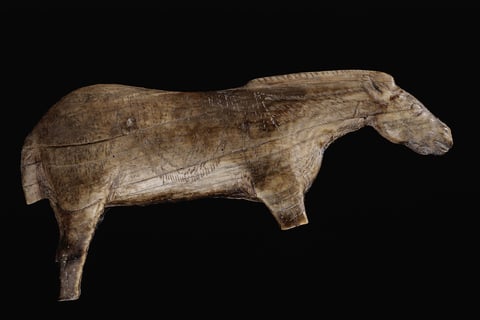
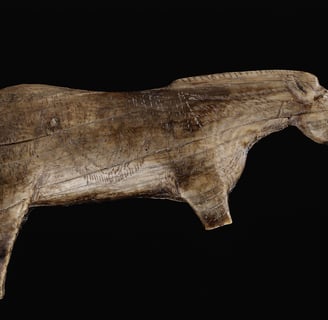
Animal representation
Jewelry
Prehistoric art provides a fascinating window into the perceptions and values of ancient societies, particularly in their representation of female figures. Oscillating between faithful representations and idealizations, prehistoric art reveals a deep reverence for the feminine, perceived both in its human and divine aspects. The famous "Paleolithic Venuses" illustrate this duality by highlighting exaggerated attributes that celebrate fertility and the central role of women in the community, while remaining stylized representations far from anatomical accuracy.
This idealization can be seen as an early form of divinization, where the feminine is associated with universal creative and nurturing forces. Moreover, the absence of detailed faces in many sculptures suggests a tendency towards universality rather than individuality, reinforcing the idea of a divine feminine essence. In sum, prehistoric art, through these representations, bears witness to an early recognition of the complexity and sacredness of feminine identity, establishing an indissoluble link between the profane and the sacred, the particular and the universal.
The study of prehistoric art and its female representations reveals a profound reverence for the feminine gender, rooted in the very foundations of ancient societies. Whether through faithful representations or idealizations, these works of art express a complex and nuanced understanding of femininity, both as an individual and as a universal symbol of the divine.
These figures, often associated with fertility, the earth, and the sacred, attest to the paramount importance of women in the social and spiritual fabric of the time. Prehistory thus shows us that, far from being mere aesthetic objects, these representations are manifestations of the philosophy and spirituality of ancient peoples, offering a unique perspective on their worldview. They invite reflection on the continuity of themes of idealization and sacralization of the feminine through the ages, underscoring their timeless relevance.
Explore the mysteries and beauty of prehistoric art through the lens of femininity. Join us on our blog "Chronique de l’Art Français" to delve deeper into the exploration of themes of faithful representation and idealization of the female gender, as well as the feminine image at the heart of the divine in prehistory. Participate in our journey through time and share your thoughts and interpretations on these fascinating artistic representations. Don’t miss this unique opportunity to enrich your understanding of prehistoric art and its impact on our contemporary view of femininity and the sacred.
#PrehistoricArt, #DivineFemininity, #FeminineIdealization, #PrehistoryAndArt, #FaithfulRepresentation, #WomanAtTheHeartOfTheSacred, #FrenchArtChronicle
